
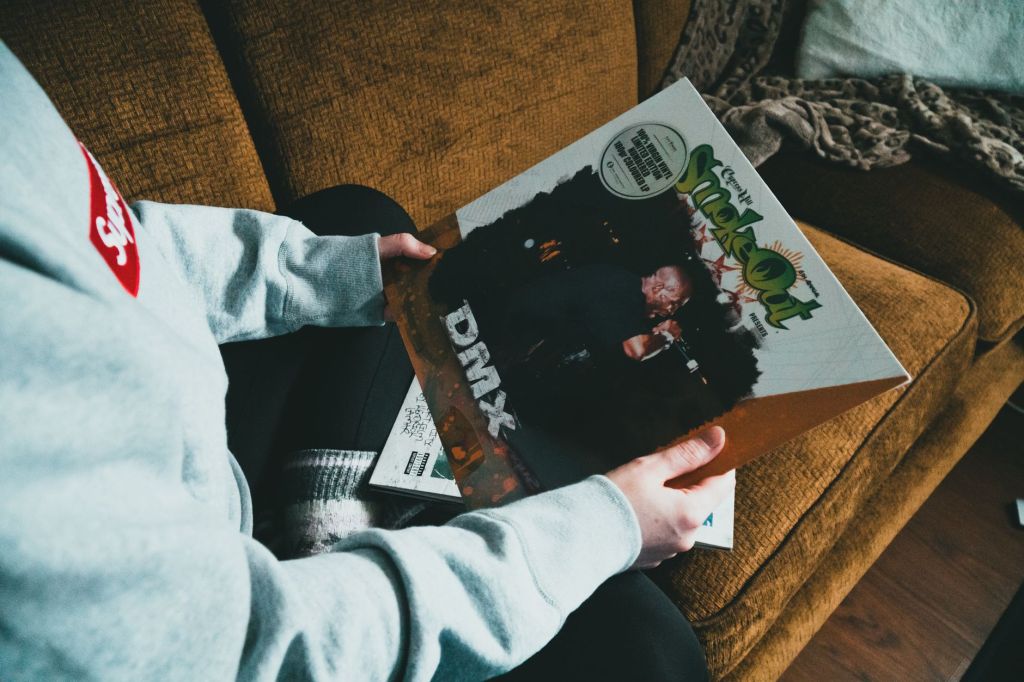
Hear me out.
There is something deeply therapeutic about driving down the road with the windows down, singing every word to Still D.R.E. You’re reminded that somewhere beneath the people-pleasing, overthinking, and endless mental load… there’s a version of you who knows exactly what you want.
Science suggests there may be a reason for that.
For generations, women have been taught that anger is something to quietly smooth over. “Be nice. Be forgiving. Be understanding…BE GOOD.” We, and those before us, became experts at swallowing frustration until it slowly transformed from anger into anxiety or depression. The list goes on. This was clearly an unproductive lesson we absorbed and translated for ourselves–camouflaging our anger by other mental health issues. Because healthy anger is one of the nervous system’s main ways of saying: “Hey, something matters here.” Our anger tells us a boundary has been crossed or an injustice deserves attention. Our anger tells us we might have needs that are not being met. Our anger communicates to us with an intense chemical message… prompting us to take action. The charge literally moves us. And for these reasons, it cannot just be quietly smoothed over.
Research increasingly shows that accepting and understanding our anger (rather than suppressing it) is associated with healthier emotional regulation and better psychological well-being. This is not news, friends. But years of patterned wiring still has us silencing our frustrations. Smiling and “being good” while rage brews underneath.
Enters the conversation: Rap music.
Much of the hip-hop music from the 80s-90s era is woefully unapologetic. It is bold. It’s confident. It’s direct. And rightfully so. Born in the Bronx during the 1970s, hip-hop grew out of communities experiencing discrimination and social neglect. Long before social media gave everyone a platform, rap artists were telling stories about life that often went unheard. Their lyrics became a way to express grief, frustration, injustice, hope, resilience, and yes, anger.
Psychologist James Pennebaker’s work on emotional expression has consistently demonstrated that putting difficult emotions into words can support both psychological and physical health. While writing in a journal and writing rap lyrics are obviously different activities, both involve organizing emotional experiences into a coherent narrative rather than simply suppressing them.
For many artists, rap became exactly that: a narrative. Instead of acting on rage, they transformed it into rhythm. Groups like N.W.A. documented experiences of police brutality and systemic racism. Artists such as Tupac Shakur blended anger with vulnerability, writing openly about trauma and poverty. Even when the lyrics were confrontational, they often reflected lived experiences rather than emotion for emotion’s sake.
As listeners, we don’t have to share every experience represented in rap music to appreciate what it models: emotions don’t become dangerous simply because they’re expressed. In many cases, this type of expression is what keeps emotions from becoming destructive.
Perhaps that’s one reason so many women feel unexpectedly energized when hip-hop comes on. Since I am of the generation that listened to this music growing up (my parents did not approve), I thought surely it is anecdotal. And maybe so, but the links seem plausible: after years of being taught to apologize for our opinions and smile through resentment… hearing someone express unapologetic emotion can feel liberating.
We aren’t connecting with the lyrics themselves, we’re connecting with a language to emotions that many of us have spent decades trying not to feel.
The music extends an invitation to us to experience the intensity of anger in a less personalized way. Additionally, it can inspire us to consider something incredibly valuable: permission.
-Permission to acknowledge frustration.
-Permission to take up space.
Music can offer a safe outlet for emotions that have been waiting for somewhere to go. So the next time you catch yourself blasting explicit lyrics while cleaning the house or driving to work… you might just be giving your nervous system exactly what it needs.
Don’t apologize. Sometimes healing starts with turning the volume all. the way. up.
References and further reading:
- James W. Pennebaker. Pennebaker, J. W., & Beall, S. K. (1986). Confronting a traumatic event: Toward an understanding of inhibition and disease. Journal of Abnormal Psychology, 95(3), 274–281.
- Can’t Stop Won’t Stop. Chang, J. (2005). Can’t Stop Won’t Stop: A History of the Hip-Hop Generation.
- The Hip Hop Wars. Rose, T. (2008). The Hip Hop Wars: What We Talk About When We Talk About Hip Hop—and Why It Matters.
- Black Noise. Rose, T. (1994). Black Noise: Rap Music and Black Culture in Contemporary America.
- American Psychological Association>. (2021). Research summaries on emotion regulation consistently note that acknowledging and expressing emotions adaptively is generally associated with better psychological outcomes than chronic suppression.
- Pop, G. V., et al. (2025). Anger and emotion regulation strategies: A meta-analysis. This review found that adaptive strategies such as acceptance and cognitive reappraisal are associated with healthier anger regulation, whereas suppression and avoidance are linked with poorer outcomes.
- James J. Gross (2015). Emotion Regulation: Current Status and Future Prospects. Psychological Inquiry, 26(1), 1–26.
- Sandra P. Thomas (2005). Women’s Anger, Aggression, and Violence. Review of research highlighting how chronic suppression of anger in women is associated with poorer mental and physical health outcomes.
- Katrina McFerran, & colleagues. Research in music therapy has consistently found that engaging with emotionally intense music often supports emotional processing and regulation rather than simply increasing aggression.





Leave a Reply